AI Video Tools Compared: Veo 3 vs Sora vs Kling vs Runway
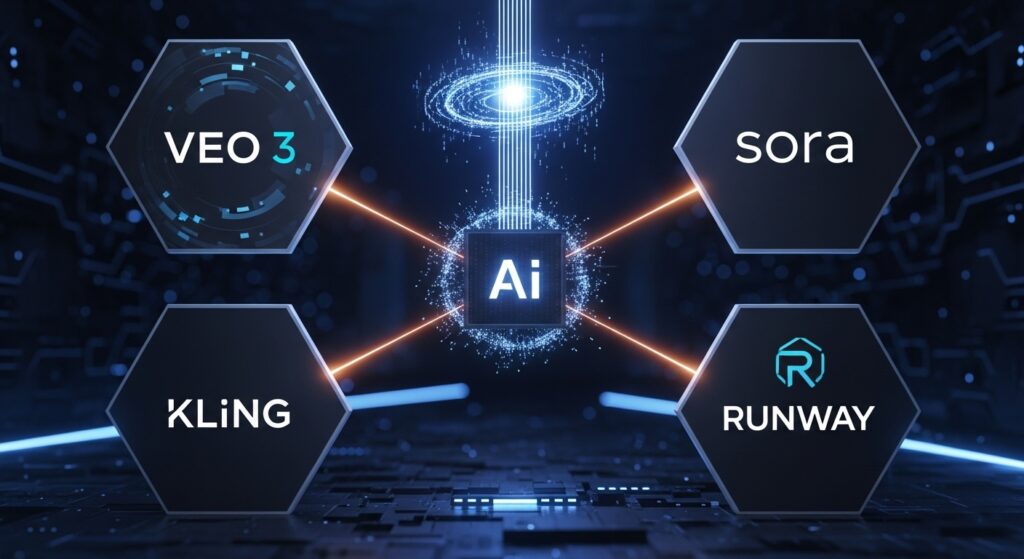
Why these four matter for social content? Short-form video is the new storefront. Whether you’re launching a product, running paid ads, or stacking Instagram Reels, the right AI video generator can turn a written idea into a scroll-stopping clip in minutes. Among dozens of tools, four names keep coming up: Veo 3 (Google), Sora (OpenAI), Kling (Kuaishou), and Runway. Each takes a different approach—cinematic realism, narrative control, volume and speed, or creator-friendly editing, which is why picking the “best” depends on your goal, timeline, and budget. What to look for Before diving into the tools, it helps to define the yardsticks that actually affect social results: Veo 3: Cinematic polish for “hero” moments Veo 3 pushes for realism: smooth camera moves, convincing physics, and strong detail. It’s built for shots that look like a director and a gimbal were on set. That makes it ideal for hero ads and high-end product visuals where polish is the differentiator. The trade-offs: access is tied to premium Google AI plans, generation windows are shorter by default, and the learning curve is steeper. In short, Veo 3 is a quality-first choice, perfect when one stunning clip is worth more than ten decent ones. Sora: Narrative power with a cinematic feel Sora is designed for story coherence, you describe scenes and transitions in natural language and it strives to keep shots consistent over time. When your creative starts with a storyboard (“hook → conflict → payoff”), Sora feels intuitive. As of now, availability and usage limits vary by plan, and audio typically gets added in post. If you want filmic tone and prompt-to-story alignment, Sora is one to watch and to use where accessible. Runway: Fast drafts, creator-friendly edits Runway is the pragmatic workhorse for social teams. You can generate short clips quickly, refine with built-in tools (masking, motion brushes, inpainting), and export in platform-friendly formats—without leaving the app. That “generate + edit in one place” loop is gold for daily Reels, ad variations, and trend-timed content. Visual fidelity isn’t at Veo/Sora’s ceiling, and clips are often shorter by default, but speed and workflow efficiency make Runway the most practical pick for many creators and small businesses. Kling: Longer clips and viral velocity Kling focuses on length and speed. Creators lean on it for meme-ready, longer clips and for rapid iterations when volume matters. It’s strong at motion and can handle talking-avatar or lip-sync-style outputs, which play well on TikTok/Reels. Output quality can vary between prompts and the interface may feel less polished, but for high-volume posting and quick experiments, Kling delivers time and length advantages that others don’t always match. Pricing & availability at a glance Which tool should you choose? The AI platform we recommend and why For most small businesses and everyday creators, Runway is the best fit right now. It balances speed (so you can publish while a trend is hot), simplicity (low learning curve), and a single-app workflow (generate → refine → export). That combination shortens your idea-to-publish cycle, thumbnails, and calls-to-action without bogging down your team. If you’re producing a marquee spot where every pixel must look cinematic, step up to Veo 3. If you get access to Sora, it’s excellent for narrative-led ads. And if your strategy is volume multiple longer clips each week Kling earns a serious look. AI video has matured from novelty to necessity. These four tools cover the spectrum: Veo 3 for polish, Sora for story, Runway for speed and workflow, Kling for length and volume. Start with the platform that maps to your goals, then build a repeatable process: write tight prompts, craft 3–5 scene beats, generate multiple variants, add sound and captions, and publish fast. The brands that win on social media aren’t just the most creative, they’re the fastest to learn.