The power of Social Media Advertising for your Business
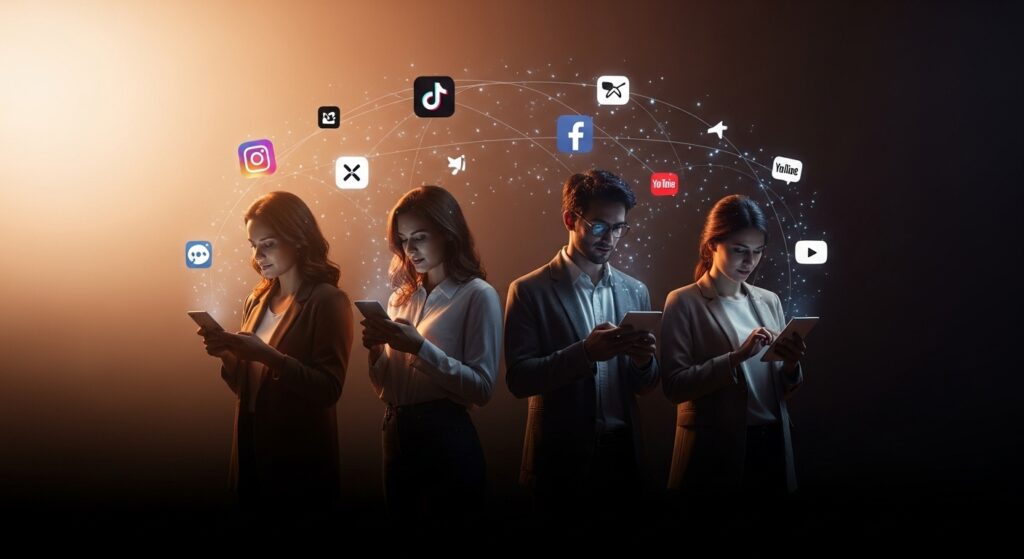
Social media has moved from “nice-to-have” to the growth engine of modern marketing. Your customers scroll there, talk there, and crucially decide there. Paid social gives you the ability to meet them in that moment with precise targeting, creative built for the feed, and real-time feedback that sharpens results week after week. When it’s done well, it doesn’t just buy clicks; it builds demand, accelerates sales, and compounds your brand’s authority. Why paid social works today Three shifts make social media advertising uniquely powerful right now. First, attention is native: short videos, carousels, and stories are how people consume ideas, recommendations, and products. Second, platforms have matured; you can reach narrow segments (by interest, behavior, intent) without wasting budget on the wrong eyeballs. Third, you get closed-loop measurement from impression to purchase so you can judge creative, audience, and offer on their true contribution to revenue. What a high-performing ad really consists of Every winning campaign aligns four pieces: audience, creative, offer, and destination. What success looks like A boutique coffee roaster shifted from generic product shots to 15-second reels showing brew technique, with a “grind-size guide” lead magnet instead of a blanket discount. Cost per lead dropped, email list quality rose, and repeat purchases climbed because subscribers had already learned how to brew better coffee. A SaaS startup replaced static feature graphics with “problem-path-payoff” founder clips, then retargeted viewers who watched past 50%. Demo requests doubled at the same spend; sales cycles shortened because prospects arrived with context. Matching platforms to objectives Different platforms excel at different jobs. Instagram and TikTok drive discovery and impulse consideration with short-form video and creator-style content. Facebook shines for retargeting and broad lookalike reach. LinkedIn is the right lane for B2B targeting by role, industry, and company size. YouTube captures both search-driven intent (via in-stream) and storytelling attention (via shorts). X (Twitter) can amplify timely moments and thought leadership. Choose the channel by the job you need done, not habit. Creative that stops the scroll Strong social ads feel like useful posts. They open on the payoff, show the product in hands, include captions for sound-off viewers, and anchor every scene to one clear benefit. Avoid over-polish when authenticity sells better: founder-shot vertical clips, customer testimonials, or creator partnerships often outperform studio footage. Most importantly, design for mobile first: big type, tight framing, and a visible call-to-action. Budget, testing, and learning Start with a budget you can keep steady for at least two learning cycles. Test one variable at a time—hook, headline, thumbnail, or first two seconds—so you know what moved the metric. Watch leading indicators (thumb-stop rate, 3-second view, outbound click-through) alongside conversion metrics (add-to-cart, sign-up, demo request). Kill low performers quickly; scale winners gradually to avoid burning out audiences. Avoiding the common pitfalls Campaigns underperform when they chase clicks instead of customers. Don’t send everyone to a homepage; send segments to pages that mirror their ad. Don’t rely on interest targeting alone; layer in behavior (video viewers, engagers, site visitors). And don’t measure in isolation; a campaign that “only” breaks even on first touch may be a profit center once you count email nurture and repeat purchase.